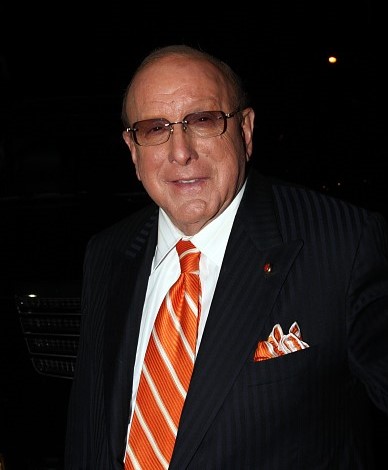
Clive Davis died on June 22, 2026, at his home in Manhattan. He was 94, and few people shaped American music more completely. For nearly sixty years, he decided which voices the country would hear. He ran Columbia, built Arista, founded J Records, then steered RCA. He signed Janis Joplin, Whitney Houston, and Alicia Keys across three decades. People simply called him the man with the golden ear.
Brooklyn, law, and a lucky detour
Clive Jay Davis was born on April 4, 1932, in Brooklyn. He grew up in Crown Heights, the son of an electrician. Both his parents died within ten months when he was eighteen. He climbed out through scholarships, sharp grades, and relentless drive. He finished New York University and then Harvard Law School. He joined the Columbia Records legal department in the early 1960s. His first real mark had nothing to do with finding talent. The label's scout John Hammond had signed a young Bob Dylan. When Dylan's camp tried to void the deal, the job fell to Davis. They argued Dylan had signed as a minor, under 21. Davis cracked it with one simple question about the studio. Had Dylan recorded for Columbia at any point after turning 21? He had, so the contract held firm and Dylan stayed put. The save marked Davis as a lawyer with rare musical instincts. Columbia promoted Davis to general counsel, then to president by 1967.
Monterey, and a label remade
In June 1967, Lou Adler dragged him to the Monterey Pop Festival. Davis later called that weekend the creative turning point of his life. He watched Janis Joplin and understood where music was heading. He signed her band, Big Brother and the Holding Company, fast. Then he turned a staid soundtrack label into a rock powerhouse. Santana, Chicago, and Blood, Sweat and Tears followed in quick order. So did Bruce Springsteen, Billy Joel, Aerosmith, and Earth, Wind and Fire. He even pushed Sly and the Family Stone toward the pop mainstream. That instinct produced “Dance to the Music” and a run of hits.
The hands-on hitmaker
I didn't necessarily have an ear, but I think I developed one.
Davis never just signed names and then waited for results. He worked songs, sequences, and singles like a producer would. He told Springsteen to walk the stage and reach the back rows. He pushed for radio singles and got “Blinded by the Light” in return. He tracked the charts the way a kid tracks baseball box scores. Carlos Santana once described him as a child with satellite ears. Davis stayed modest about the gift and called it learned, not born. “I didn't necessarily have an ear, but I think I developed one,” he said. He could recite the chart and still weep at a great chorus.
It's not a scientific thing, it's a visceral thing.
“It's not a scientific thing, it's a visceral thing,” he once said.
The fall
His Columbia run ended badly and abruptly in May 1973. CBS accused him of misusing company funds, and the press piled on. Reports tied the scandal to payola and an extravagant bar mitzvah. Davis denied the worst of it for the rest of his life. He pleaded guilty to a single tax count and paid a fine. Then he sat down and wrote his memoir while the dust settled.
Arista, and the art of the comeback
The one suit we weren't distrustful of.
In 1974, Davis built a new label from castoff imprints. He named it Arista, after a New York school honor society. Barry Manilow handed him an early number one with “Mandy.” He signed Patti Smith too, knowing she'd never chase the charts. Arista soon became famous for one trick above all the others. Davis took faded stars and made them feel current again. He revived Aretha Franklin, Dionne Warwick, the Kinks, and Lou Reed. In 1976, he even brought the Grateful Dead to the label. Bob Weir warmed to him, despite a lifelong distrust of executives. Weir called Davis “the one suit we weren't distrustful of.”
Whitney
It rips your heart out, is what it does.
Then came the artist who defined him most of all. Davis saw a teenage Whitney Houston sing in a New York club. He signed her in 1983 and spent two years on her debut. That patience built one of the best-selling careers in pop history. He picked her songs and shaped her image at every step. “I Will Always Love You” held number one for fourteen weeks. They grew close, and Houston came to see Davis as family. Her 2012 overdose death hit him like a personal loss. “It rips your heart out, is what it does,” he told CNN afterward.
Reaching across music
Davis refused to stay inside one genre or one generation. At Columbia, he had carried Philadelphia soul to a national audience. At Arista, he backed LaFace with L.A. Reid and Babyface. That deal delivered TLC, Outkast, Usher, Toni Braxton, and more. He partnered with Sean Combs on Bad Boy Records in 1993. Bad Boy soon released defining work by the Notorious B.I.G. Davis admitted he never fully understood rap, yet he bet on it. He kept finding the next sound long after his peers stopped trying. The NAACP honored that whole record with its Vanguard Award.
The third act
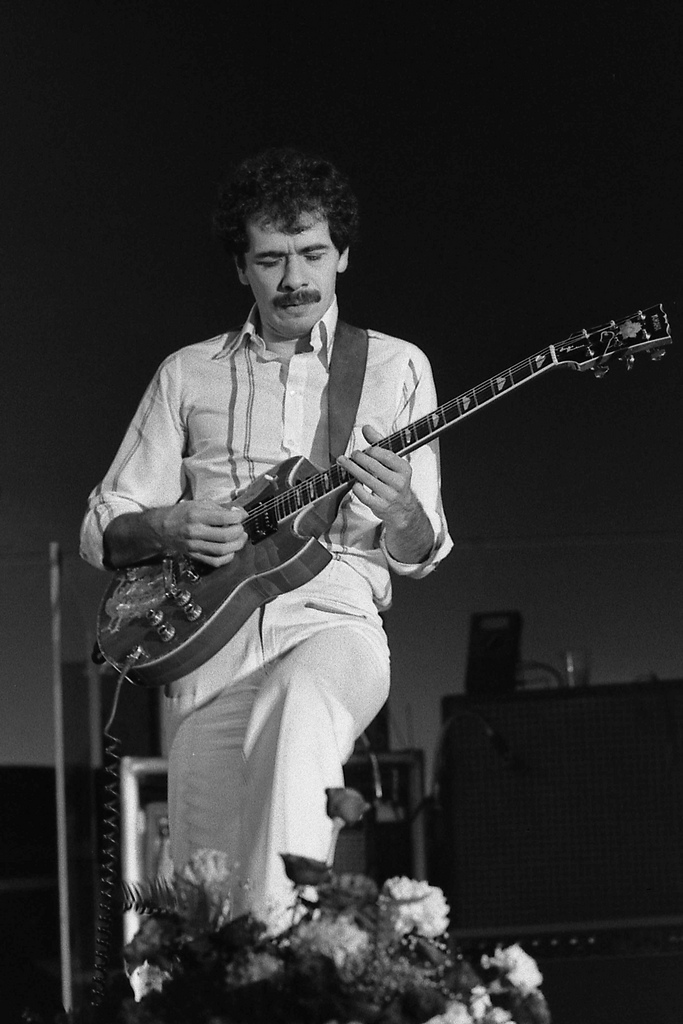
BMG forced him out of Arista in 2000 over a retirement rule. Most men would have retired, and Davis started over instead. He launched J Records and signed an unknown named Alicia Keys. He revived Rod Stewart with a series of standards albums. His grandest comeback belonged to Carlos Santana , an old friend. Davis had first signed Santana to Columbia back in 1969. He then built the whole 1999 Supernatural album around him. He paired Santana with Rob Thomas on the single “Smooth.” That single sat at number one for twelve straight weeks. The album won a near-record eight Grammys in a single night. It arrived the same week BMG pushed him toward the door. Davis kept right on winning after that, into his seventies. He ran RCA, recorded American Idol champions, and never slowed.
The man, late
Davis lived large and clearly loved the spotlight he'd earned. His pre-Grammy gala became the industry's most coveted night out. He hosted it every year from 1976 onward without fail. In 2013, at 80, he came out as bisexual in his memoir. He hoped the disclosure would widen understanding for other people. He married and divorced twice, and he raised four children.
Legacy
The honors stacked up the way his gold records once did. The Rock and Roll Hall of Fame inducted him in 2000. Patti Smith, of all his artists, gave the induction speech. New York University named its recorded-music institute directly after him. He won five Grammys and mentored a generation of executives. The tributes after his death came from every corner of music. Bruce Springsteen, one of his earliest signings, put it plainly. “He changed my life when he signed me to Columbia Records,” Springsteen wrote.
The Sausalito thread
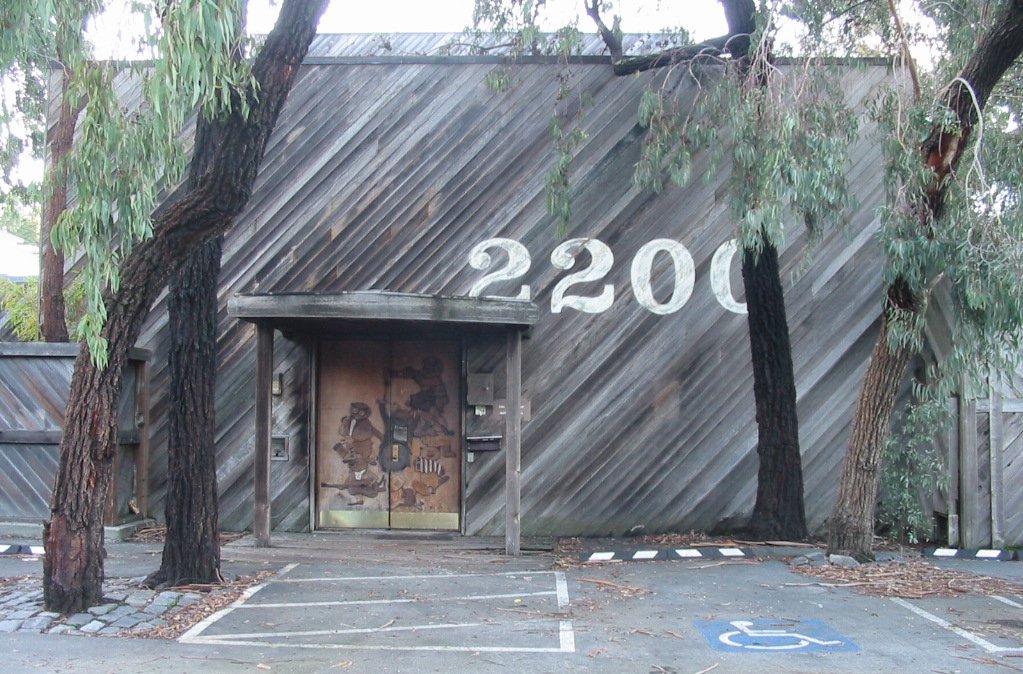
His music also found a quieter home far from New York and Los Angeles. The Record Plant in Sausalito recorded many of the artists he shaped. Davis never set foot in the studio on the bay. Yet his signings filled those rooms for thirty years running. Sly and the Family Stone cut Fresh there in 1973. Santana came back to record there again and again over decades. Even the Grateful Dead had worked there before Clive arrived. A New York lawyer with golden ears helped make that music. Some of it took its final shape on the Sausalito waterfront. That's why this archive pauses now to mark his passing.